
In focus: Red fescue
Description
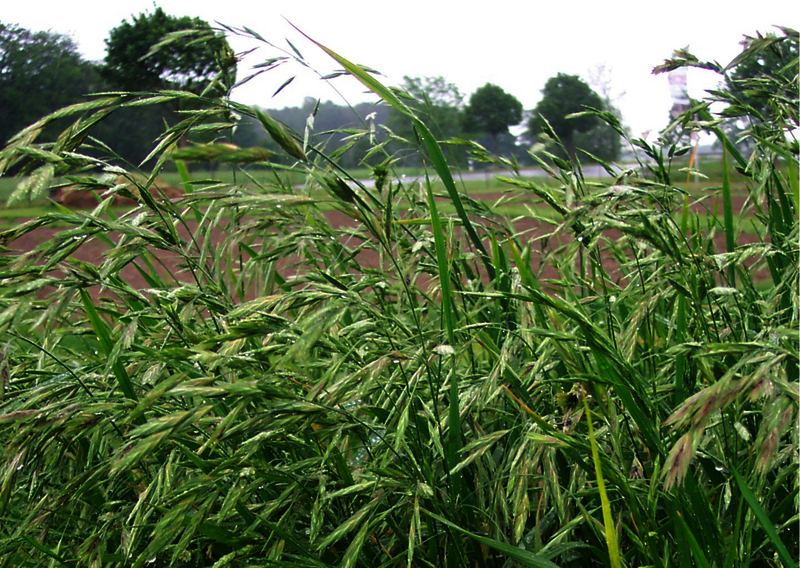
Red fescue belongs to the family Poaceae, which can be divided into approximately 780 additional genera. Red fescue is classified within the genus Festuca. This genus comprises approximately 200 species, of which red fescue (Festuca rubra) is probably the best known.
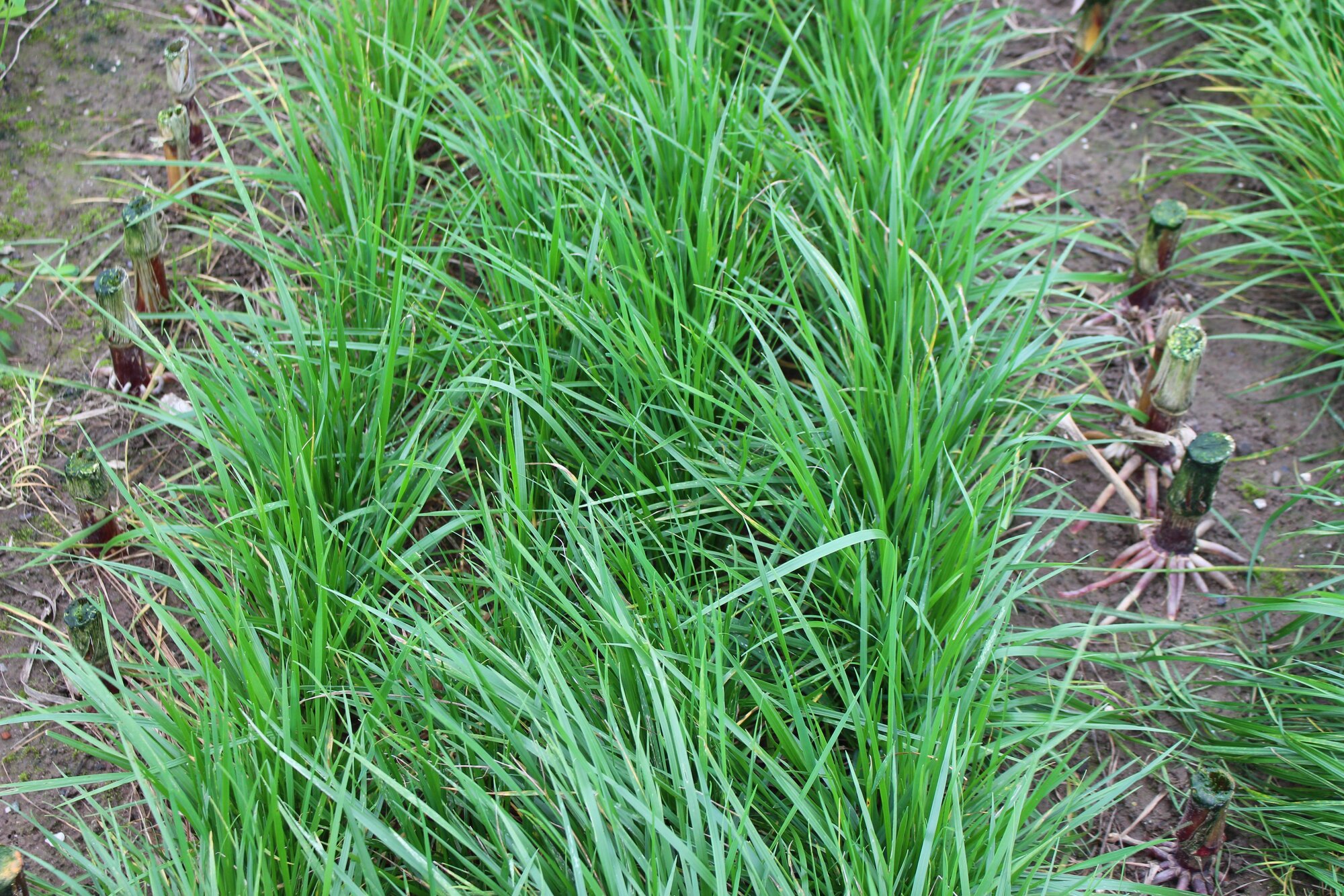
Red fescue is classified into various subspecies. In dense grass cover and especially during the vegetative stage, most subspecies are difficult to distinguish. The situation is different when individual plants have room to grow and reach the generative stage with flower formation. Then the distinction between clump-forming and creeping varieties becomes more apparent.
Based on this distinguishing criterion, the two most important subspecies to differentiate are the creeping red fescue (Festuca rubra rubra) and the Chewing's fescue (Festuca rubra commutata). The Chewing's red fescue is used exclusively in non-agricultural settings. In agriculture, only the creeping red fescue is used, where it is planted in pastures. Chewing's red fescue forms dense clumps, whereas creeping red fescue spreads through underground, well-anchored rhizomes in the soil. Due to its typically dense sward, the species is susceptible to thatch buildup and, under certain conditions, to diseases, particularly red tip.
Creeping red fescue has broader and darker leaves than Chewing's red fescue. It is extremely hardy, and because it forms stolons, it is able to close gaps in the sward and thereby suppress weeds. It has good persistence and tolerates moderate grazing, which also promotes growth. It is also suitable as an understory grass for hay production.
Red fescue is less competitive than other species, but under certain conditions it can still prove dominant. For example, it forms a good sward in areas where more demanding species such as German ryegrass or meadow fescue do not thrive reliably. However, with intensive fertilization, red fescue is displaced by other species. Despite its low forage value rating of 5, red fescue is indispensable in many locations due to its hardiness and low maintenance requirements. Compared to other grasses, red fescue has a lower fructan content.
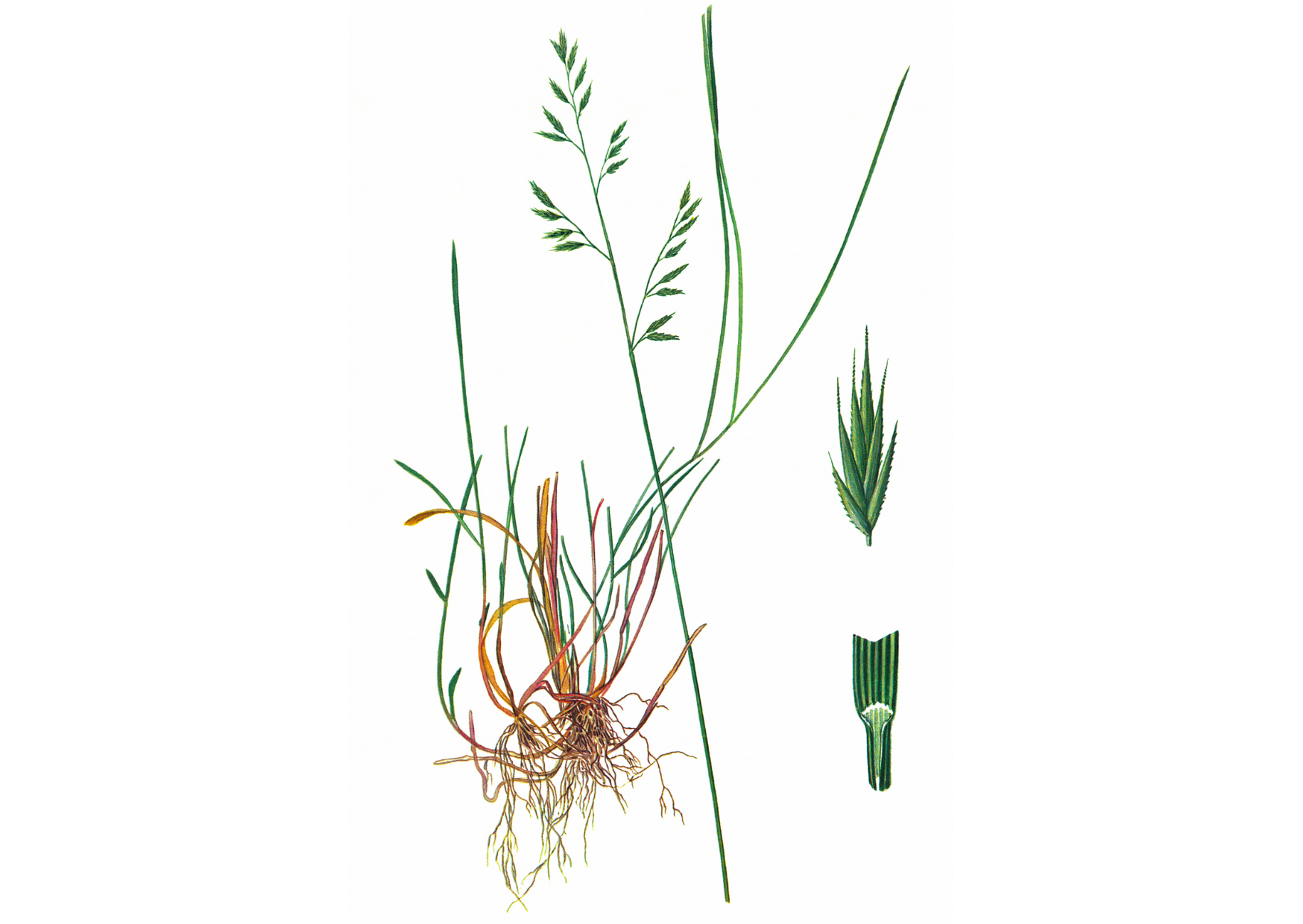
| Leaf arrangement: folded (sometimes almost bristle-like) |
| Leaf blade: narrow to very narrow, deeply veined |
| Base of the leaf: no auricles; leaf sheaths very short |
| Inflorescence: loose, red-flowered cluster |
| Stem base: brown |
Origin
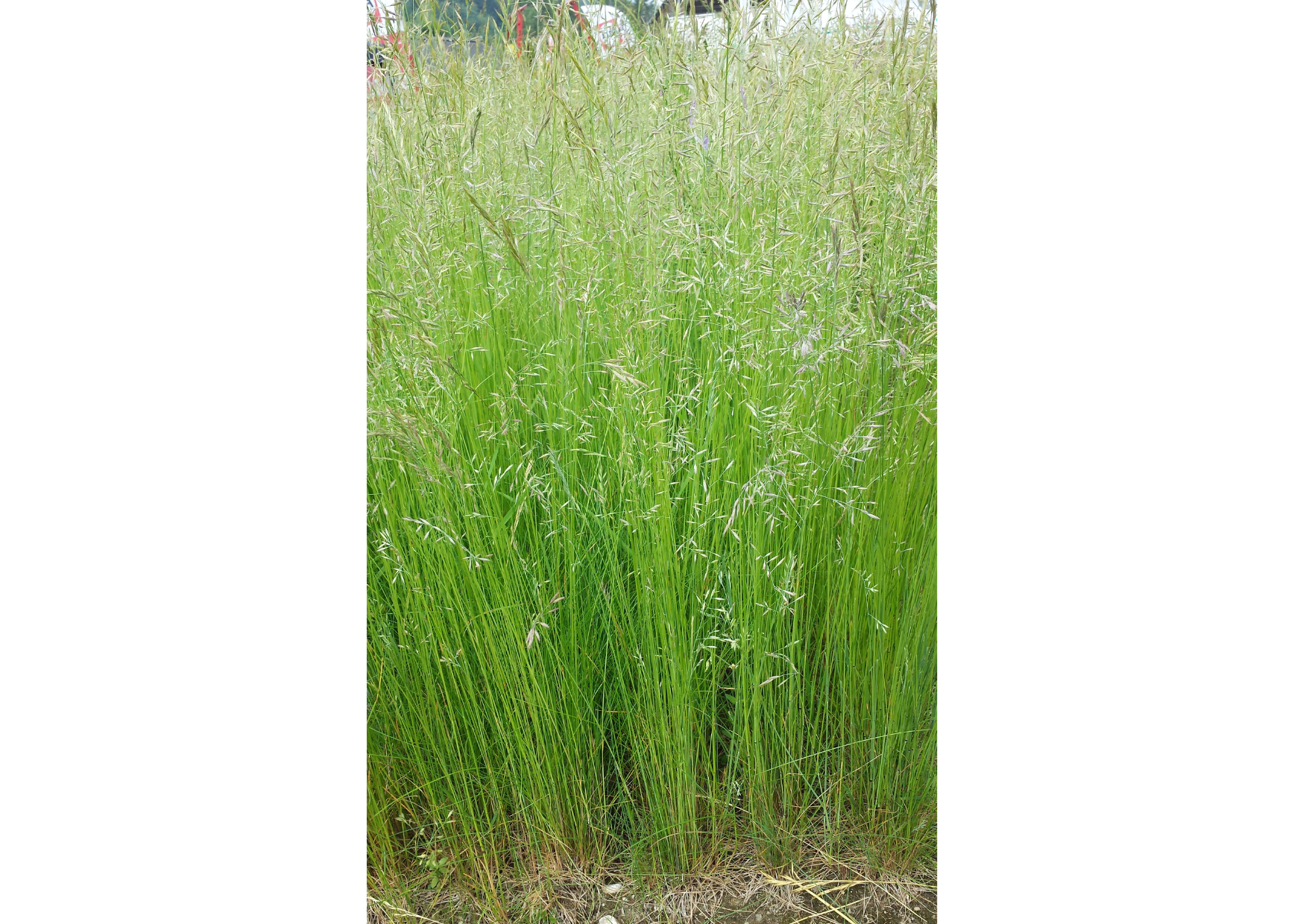
The botanical name Festuca rubra is derived from its reddish-brown spikelets. It is widespread in Europe, Asia, and North Africa. In Australia, North America, and South America, it is what is known as a neophyte. This means that it did not naturally occur in these regions, but was intentionally or unintentionally introduced by humans at some point and was thus able to spread throughout the area.
Climate & soil
Red fescue is a perennial understory grass with low demands on soil, climate, and nutrient supply, exhibiting a broad tolerance range. Only extreme sites, whether extremely dry, wet, or very nutrient-poor, are less well tolerated. It can therefore be used effectively as a turf-forming species on poorer, light, or even boggy sites where other species struggle. In agriculture, it is an indispensable component of seed mixtures for harsh and unfavorable sites.
Uses
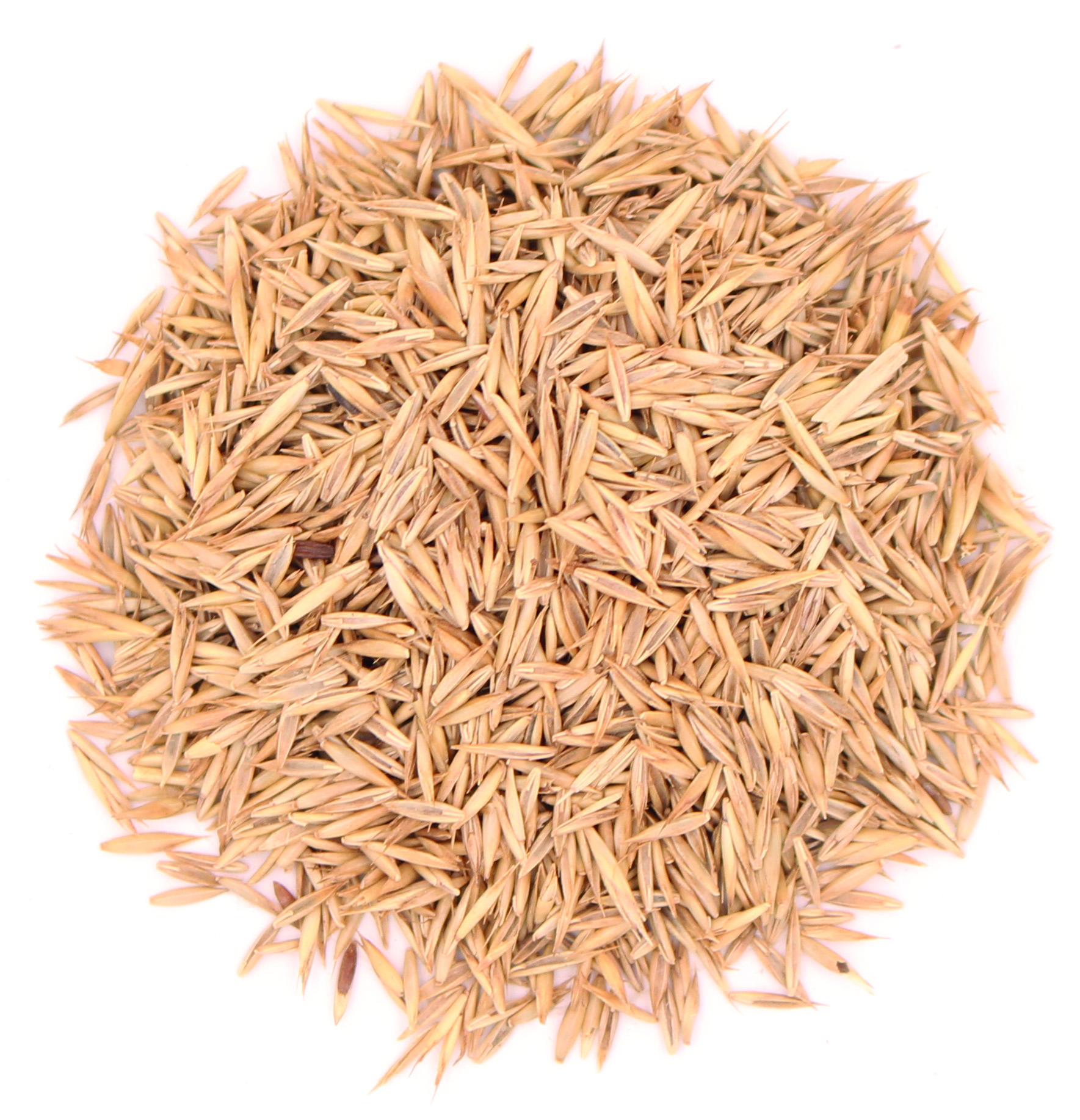
Red fescue is an unassuming, stress-tolerant plant in well-established turf that is used in numerous lawn and permanent pasture mixtures. It is suitable for grazing and, to a limited extent, for meadow use, and ensures consistently high yields. Furthermore, due to its characteristics, including sward density and weed suppression, red fescue plays a major role in mixtures for fallow land restoration and the establishment of undersown crops. In the context of undersowing, its slower establishment (especially compared to ryegrasses), higher shade tolerance, and relatively low growth height are highly valued. These characteristics are necessary to minimize competition with the cover crop (such as corn or grain). Low seeding rates of 4–6 kg are sufficient for undersowing. Some varieties also exhibit good tolerance to saline soils. This makes red fescue an important species for revegetation and stabilization of dikes and dune landscapes along coastlines in temperate latitudes. Red fescue is used in many turfgrass mixtures in the form of various subspecies. The varieties bred for use in turf differ significantly from those used in agriculture, as the primary focus here is on fine, typically medium- to dark-green leaves with good mowing tolerance. All common subspecies of red fescue can be used in turfgrass mixtures and extensive landscape turf; in ornamental turf mixtures, the very fine-leaved and visually appealing Chewing's red fescues clearly dominate. Certain varieties of Chewing's red fescue are also well-suited for deep mowing, making them an indispensable species for putting greens on golf courses. For agricultural varieties, the focus is on biomass production and forage quality; as a result, the leaves are less fine and the turf is looser. Among creeping red fescues, there are also varieties that can be used for both purposes.