
Purple marshlocks - flower of the year 2025
The bloody eye-catcher
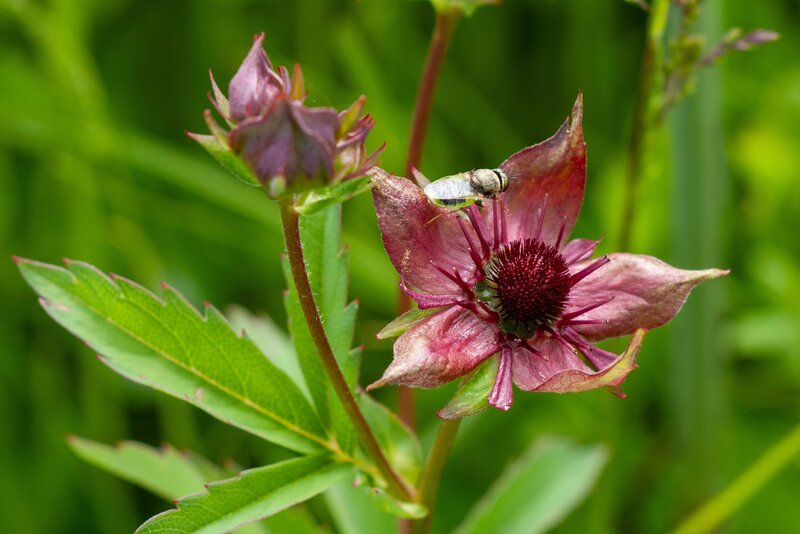
In this year's election for Flower of the Year, initiated by the Loki Schmidt Foundation, the purple marshlocks (Comarum palustre) was chosen. It belongs to the rose family (Rosaceae) and according to the latest research, it constitutes its own genus. However, the widely recognised classification as a cinquefoil (Potentilla palustris) is still accepted in science.
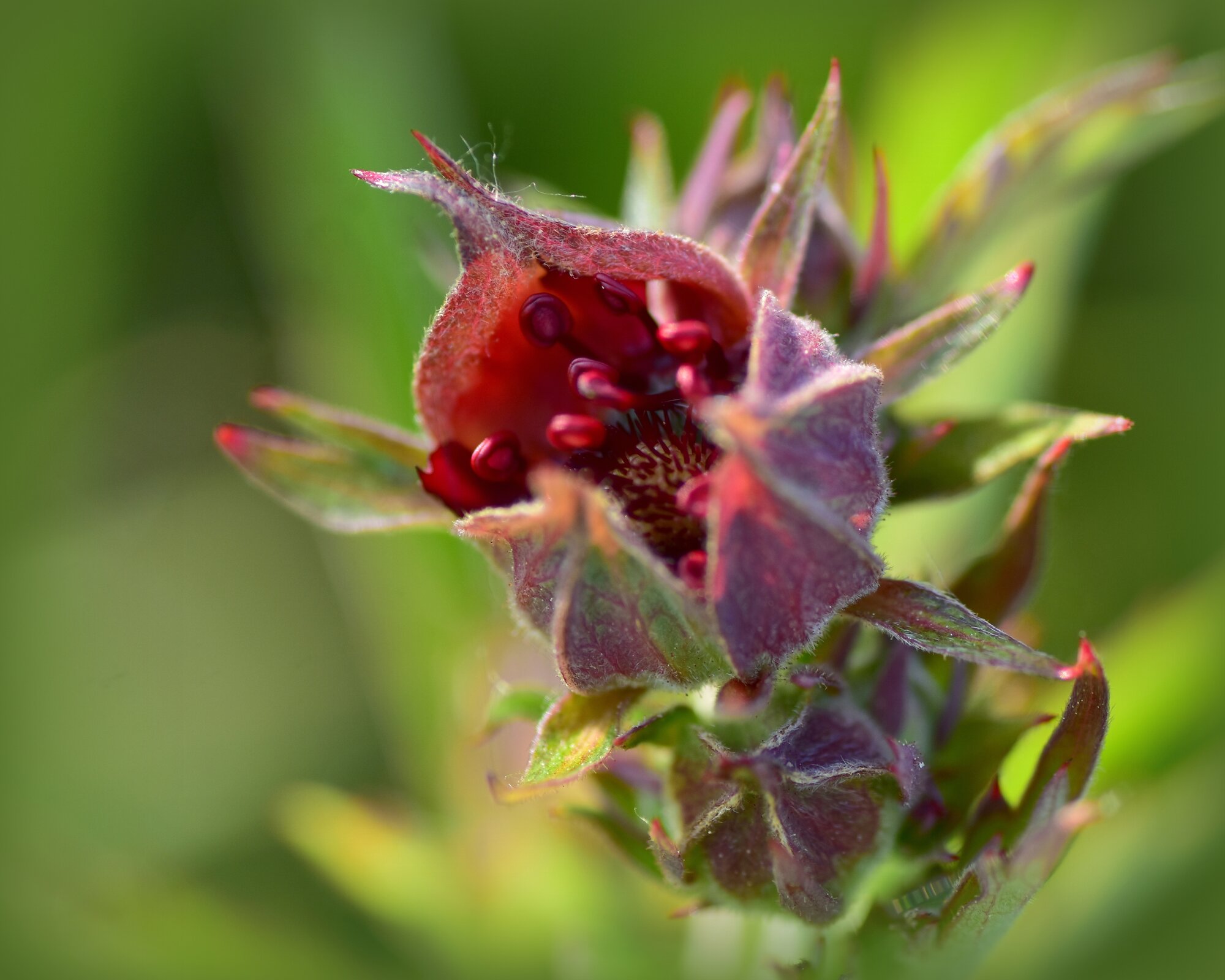
There are also various popular names for this striking plant. Among other things, it is also known as devil's eye or blood drop.
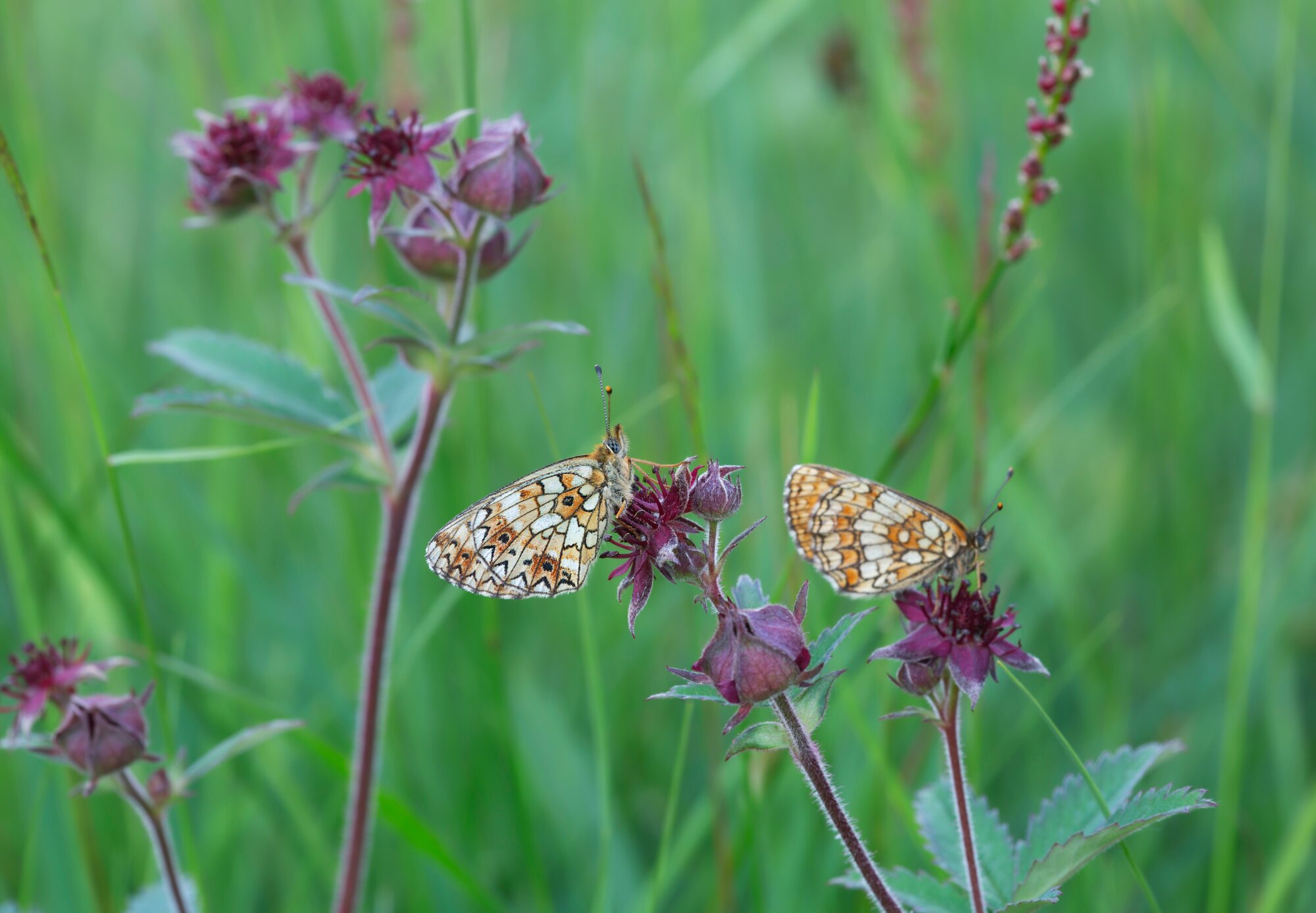
Indeed, its appearance is eye-catching. The purple marshlocks forms a 20-70cm long, downy stem with 3-5 unpaired leaflets and narrow, lanceolate outer calyx leaves. From May to August, the plant draws attention to its striking purple to brown - blood-red flower colour, attracting a large number of insects. The actual flowering period is between June and July.
Effective dispersion
The purple marshlocks reproduces by seed. By dispersing the seeds via epizoochory, it can reach an enormous distance and seize new habitats. Due to the plant's proximity to water, its seeds can adhere to the feathers of aquatic birds and even survive for months on the water´s surface.
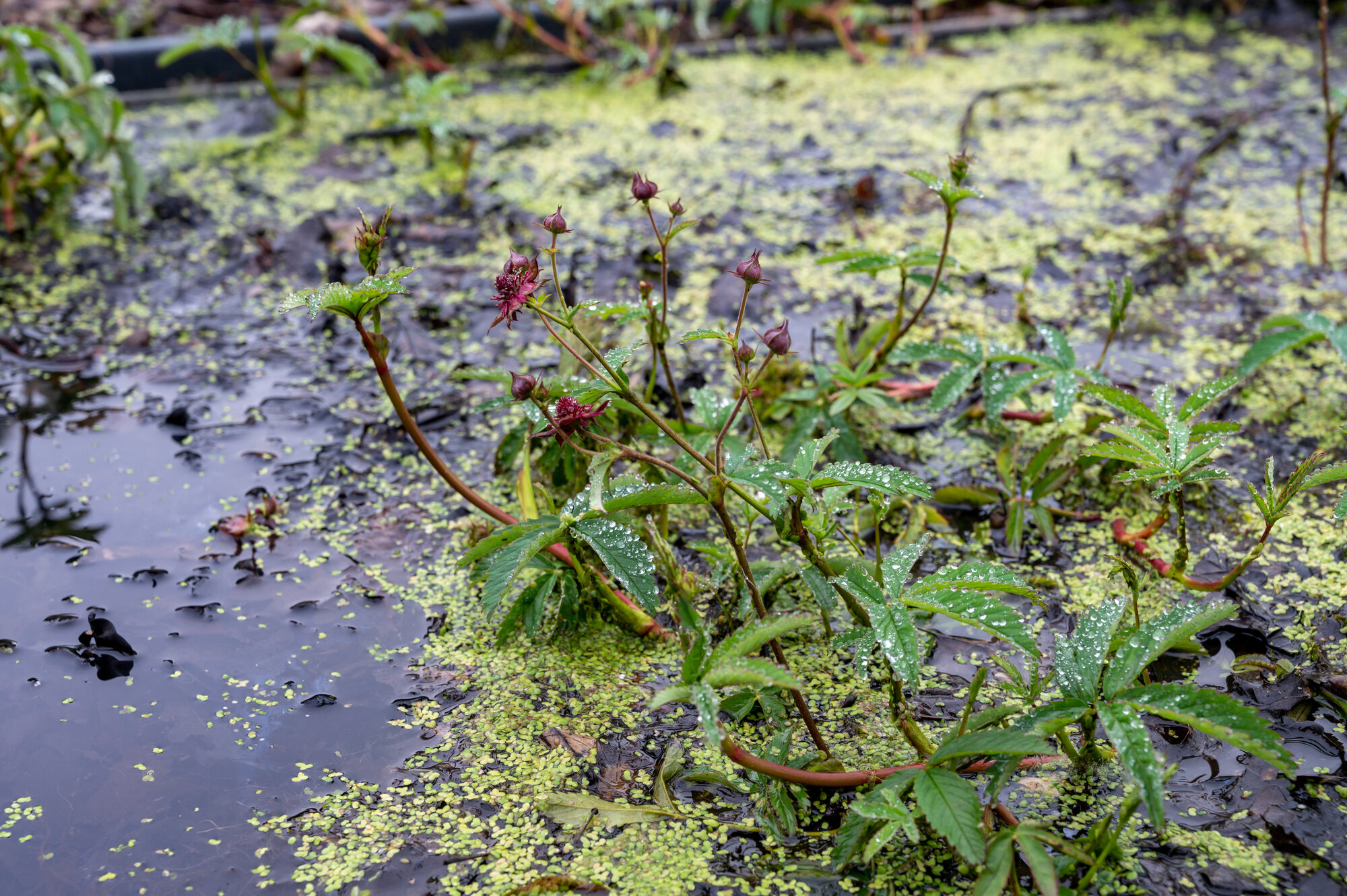
Vegetative reproduction, on the other hand, is the form of asexual reproduction, which takes place by means of rooted rhizomes instead of seeds. These can grow up to 1 metre long and grow in mud or submerged in water.
A damp patch of land
Unfortunately, the purple marshlocks is now on the Red List of endangered plant species. As its main habitat is raised bogs and fens, and 95% of this surface has already dried out or been destroyed in Germany, the flower is now rare. It is dependent on moist and nutrient-deficient soil conditions in order to develop and nourish itself optimally.
Its distribution area extends from Europe to Siberia, Iceland, Greenland and North America. In Germany, for example, the purple marshlocks can be found in the area of Vorarlberg, Allgäu at altitudes of up to 1.960 metres.