
In focus: Niger
Description
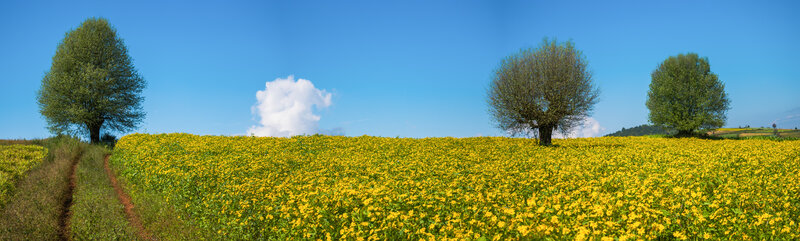
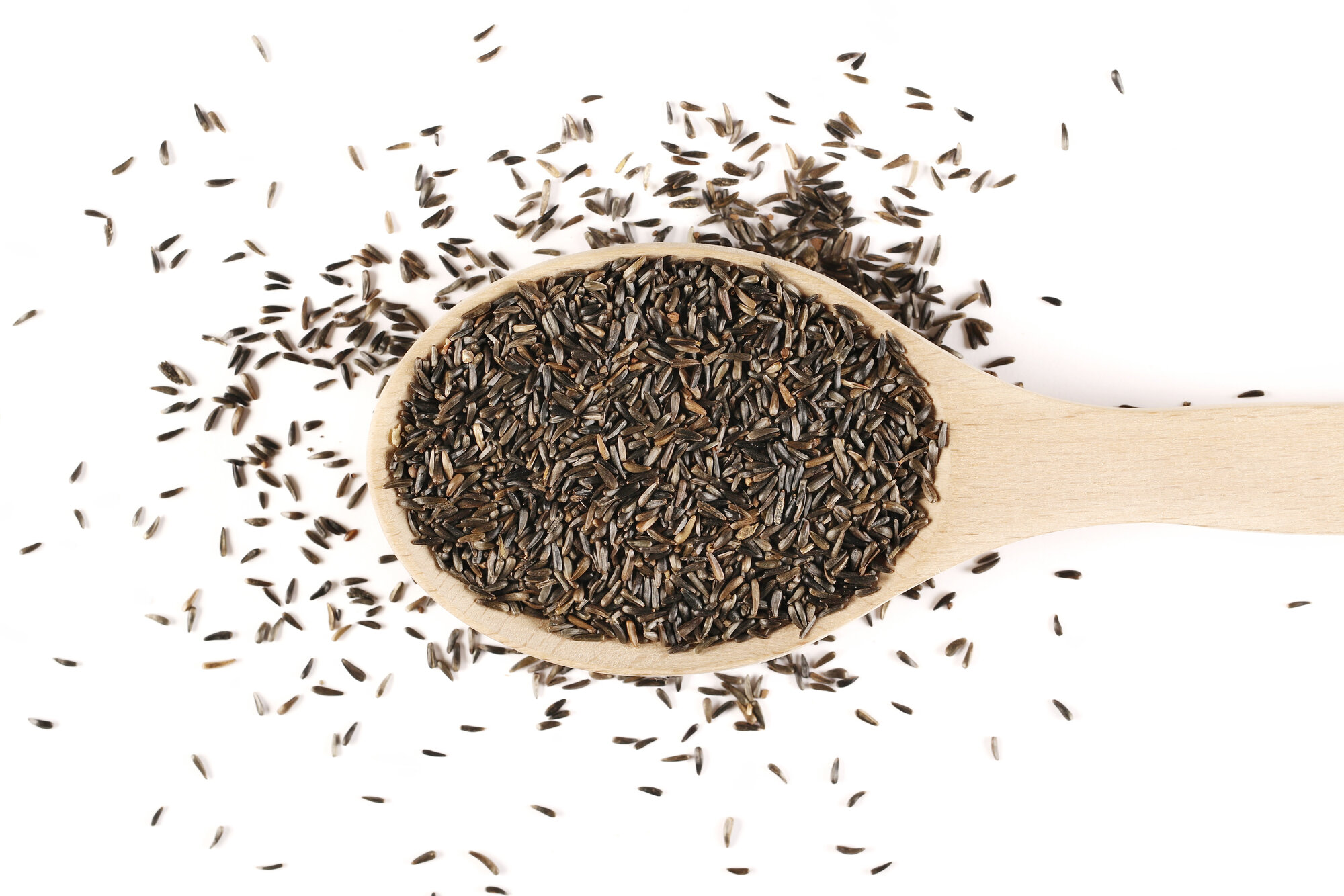
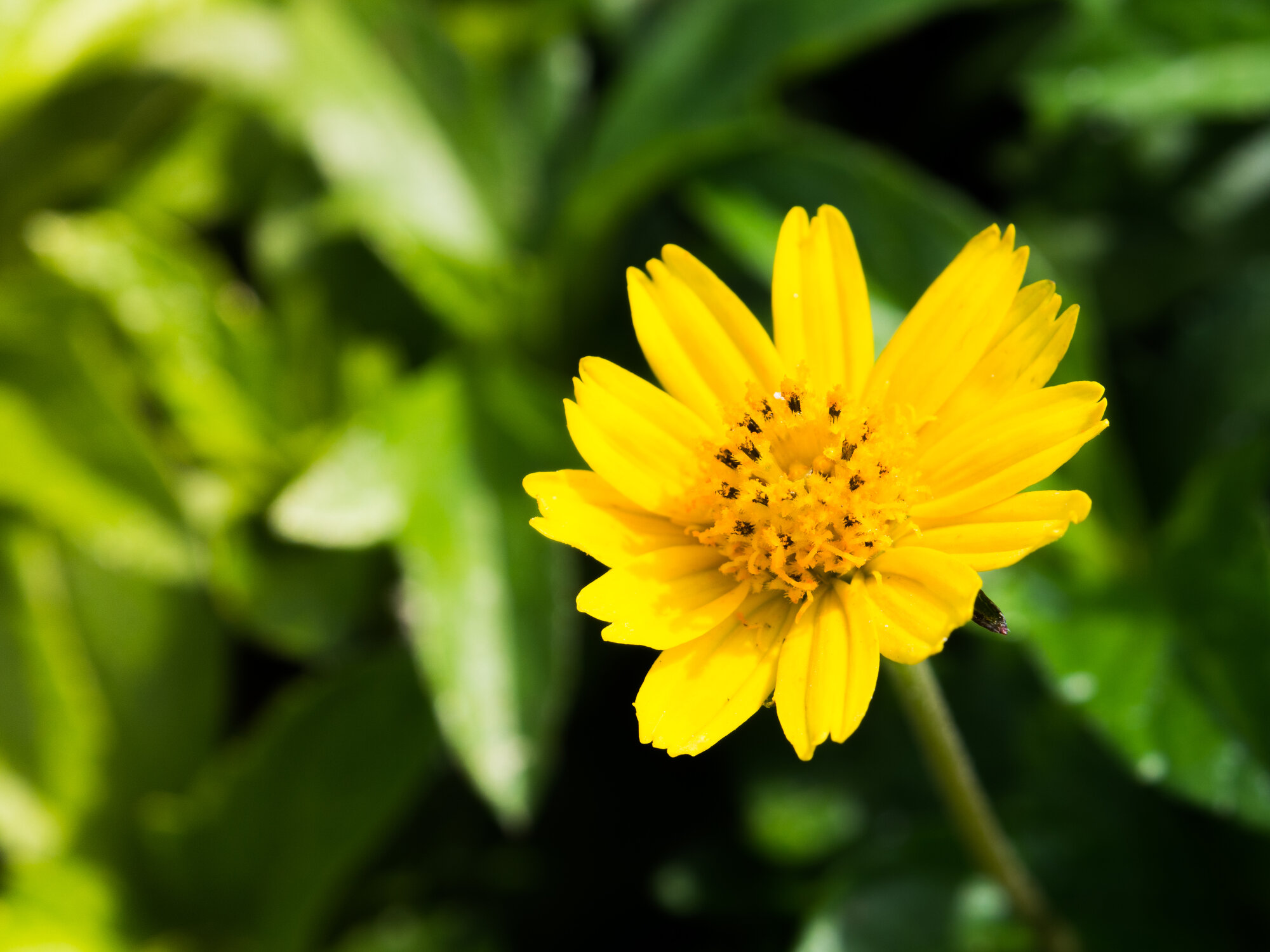
Niger (Guizotia abyssinica) is a herbaceous plant in the aster family (Asteraceae). The plant grows to a height of about 1 to 2 meters and has upright, hairy stems. The leaves are narrow and elongated with serrated or wavy edges. During flowering, niger produces small, bright yellow flower heads arranged in loose umbels. These flowers develop into elongated, black seeds that are rich in oil. These seeds are harvested and used for various purposes: The oil extracted from them, “Niger oil,” is a high-quality edible oil and is also used in cosmetics and for the production of soaps. In addition, the seeds are a sought-after birdseed, especially among wild birds and parrots. Niger is valued as a crop plant because it is undemanding and drought-tolerant, allowing it to thrive in hot and arid climates. It has a positive impact on soil health and is therefore also a valuable cover crop in Central European crop rotation systems.
Origin & History
Niger originates from the highlands of Ethiopia and has been cultivated as a crop in East Africa for centuries. People in Ethiopia and other parts of East Africa traditionally used the oil-rich seeds to produce cooking oil and as a food source. In Ethiopia, where the plant is most widely distributed, niger oil remains an important product in both the kitchen and traditional medicine. The plant’s spread began in Africa and later continued to other parts of the world, particularly Asia. Via trade routes, niger eventually found its way to India, where it remains a common product to this day, used in a variety of ways in cooking and soap-making. Because niger is hardy and drought-resistant, it is well-suited for cultivation in regions with harsh climatic conditions. Global demand for birdseed has led to a rediscovery and increased cultivation of this traditional plant in recent decades, particularly in tropical and subtropical climates. In recent years, it has also been increasingly used in intercropping.

Use & yield
Oil production:
The seeds of niger have a high oil content (30–40%) and are used to produce edible oil. This oil is rich in polyunsaturated fatty acids and is used for culinary and industrial purposes. In India and some African countries, niger oil is traditionally used in cooking, much like sunflower or sesame oil. The oilcake left over after oil extraction serves as a protein-rich feed for livestock. In addition to residual fat, it contains many nutrients and is particularly valued in dairy cattle feed.
Green manure:
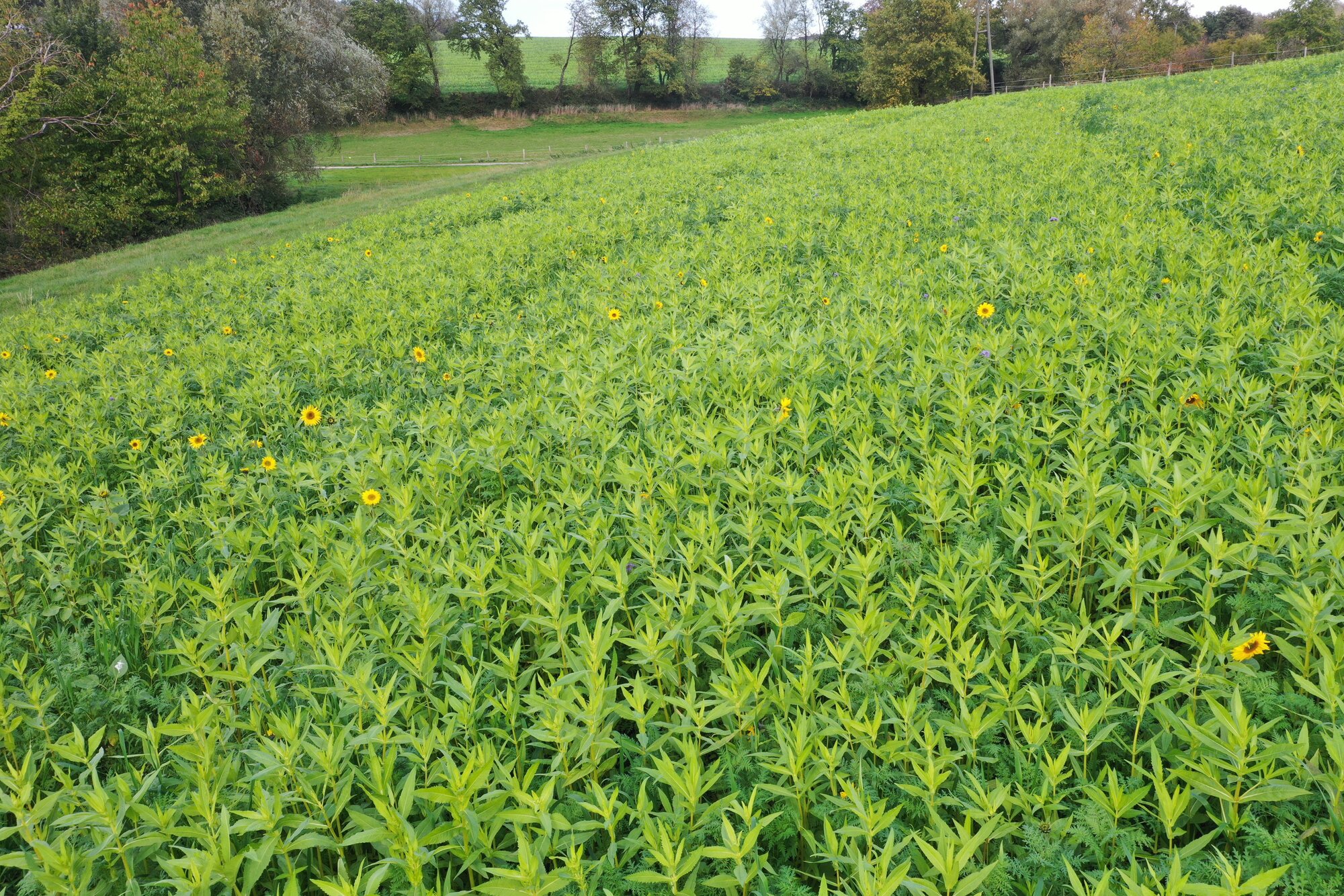
Due to its rapid and reliable germination and short growing cycle of about 90 days, niger is often used as a cover crop or green manure. It has a fast-growing, ground-covering habit that suppresses weeds and reduces erosion. Its flowers make the plant an attractive source of nectar for bees and other pollinators. It is frequently used in beekeeping to expand the food supply for bees. Nigers deep-reaching roots loosen the soil, thereby improving soil structure. Niger reliably freezes off as soon as temperatures approach freezing. After the plant dies back, the roots remain in the soil and contribute to humus formation. Due to its heat requirements, it is recommended to sow the seeds when temperatures are not too low to ensure reliable germination and rapid growth. Under suitable weather conditions, the plant establishes itself quickly and provides rapid ground cover and shade. Due to its growth potential, it can produce a high amount of biomass, which leads to nutrient storage and humus enrichment when left in the field. Niger is used both as a stand-alone crop and as a component in cover crop mixtures. Since it is not related to any of the major crops commonly grown in Central Europe, it can be incorporated into all crop rotations without causing phytosanitary problems.
Decorative uses:
The pretty yellow flowers of the niger are occasionally used as cut flowers or in gardens to add a touch of color to flower beds.
Yield of Niger:
Under optimal conditions, niger can achieve a seed yield of about 400–600 kg per hectare. In countries such as India or Ethiopia, even higher yields are often achieved when climatic conditions, such as rainfall patterns, are favorable.
Oil yield:
The seeds yield approximately 120–180 liters of oil per hectare, depending on the efficiency of the extraction methods. The residue, the oilcake, yields about 300–400 kg of animal feed per hectare, depending on the oil content.
Site conditions and care:
Niger prefers well-drained soils and full sunlight. However, the soil should not be over-fertilized, as this excessively promotes plant growth.