
In focus: Fodder raddish
Description
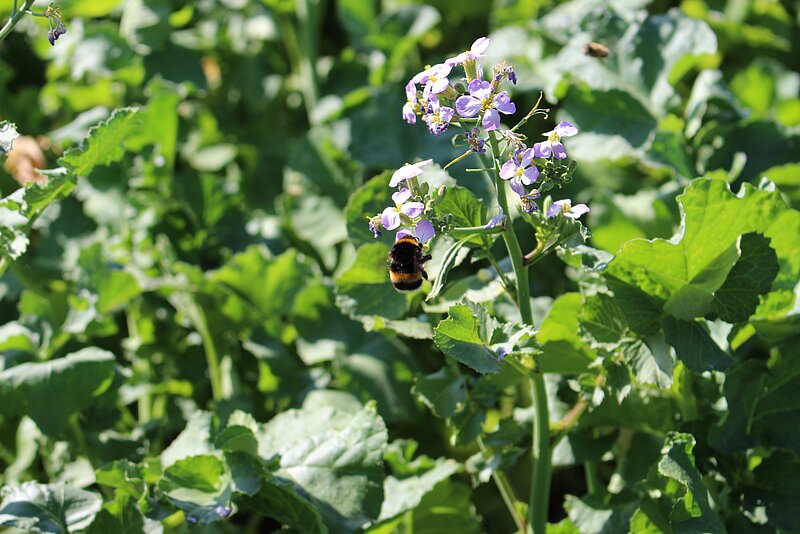
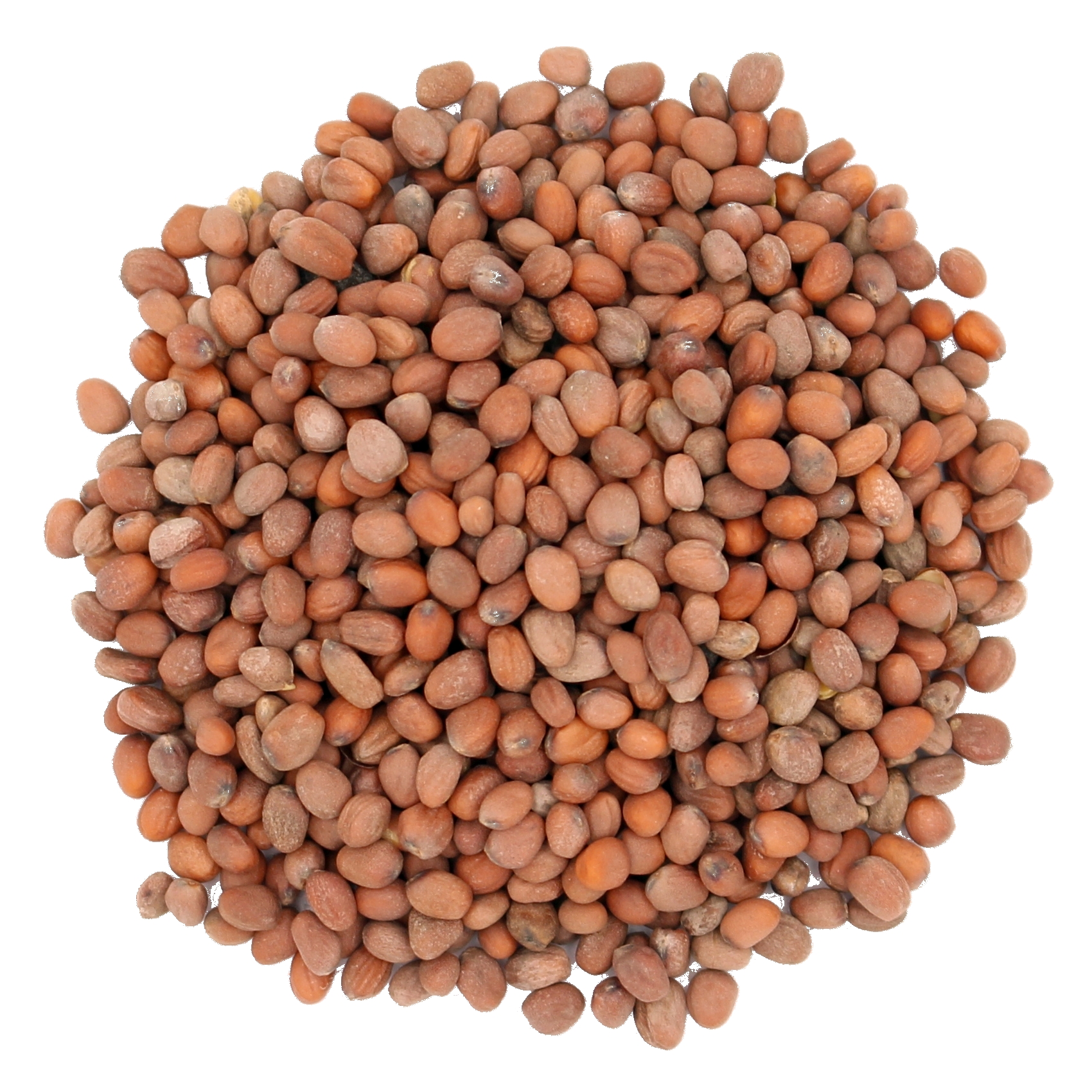
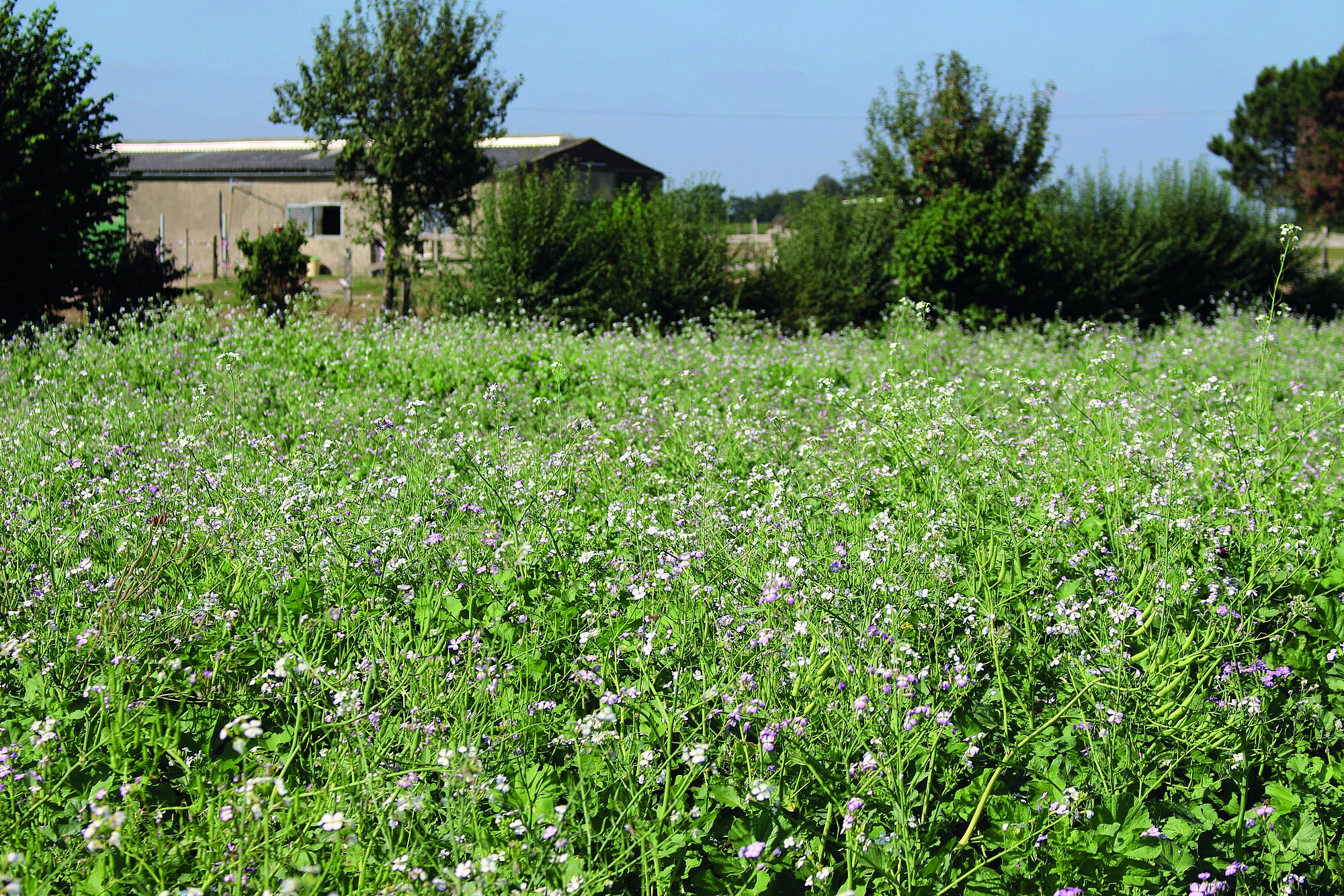
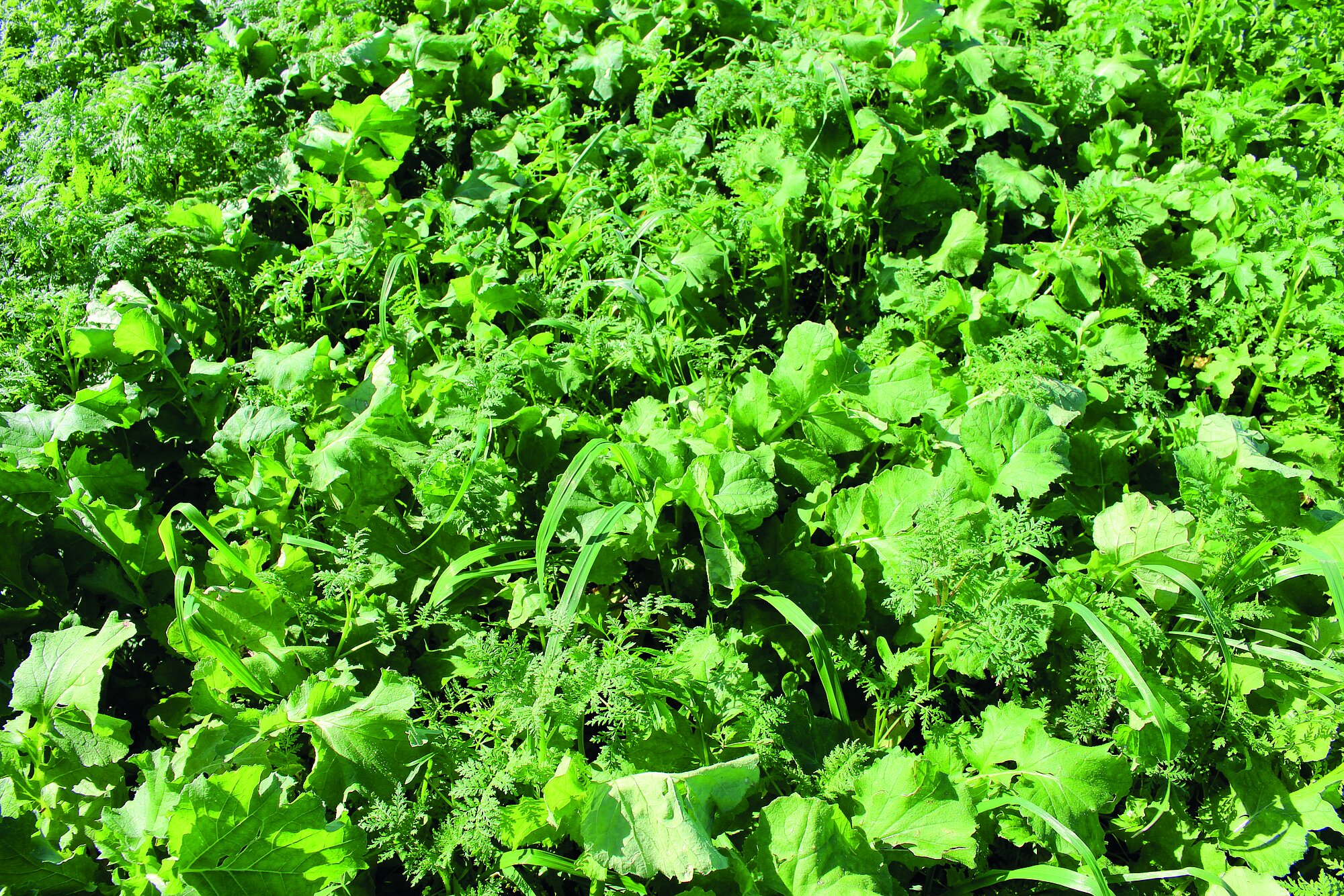
Fodder radish belongs to the Brassicaceae family and is an annual, fast-growing crop that is primarily used as a catch crop, green manure and for soil improvement. Depending on the variety and location, the plants can grow to a height of between 40 and over 120 cm. A characteristic feature is the strong, deep taproots, which loosen the soil, break up compaction and promote good aeration. The leaves are coarsely toothed and quickly form a lush green mass, resulting in rapid ground cover and helping to suppress weeds. The flowers – if the variety flowers at all – appear in loose clusters and are usually white to pale violet in colour. However, many varieties bred specifically for catch-crop cultivation are slow to flower or late-flowering to prevent premature seed-setting. The seeds are roundish to slightly oval and brownish in colour. Fodder radish is characterised by its high adaptability to different soils and climatic conditions and is comparatively tolerant of drought. Thanks to its rapid early growth, it protects the soil from erosion and weed infestation and ensures good nitrogen conservation in autumn by absorbing excess nutrients and storing them in its biomass.
Origin & history
Like many cultivated radishes, the fodder radish has its origins in the Mediterranean region and Western Asia. Various types of radish were already being used there several thousand years ago, both as food and as oil crops. Whilst traditional edible radishes played a role in the human diet from an early stage, the oil radish developed specifically as a plant for oil production and as a fodder crop. The earliest evidence of deliberate cultivation dates back to antiquity; radish varieties were particularly widespread in the Roman Empire and were described in agricultural treatises. During the Middle Ages and the early modern period, the oil radish became increasingly established in northern European agriculture. However, its use as an oilseed crop remained limited, as the yield and quality of the oil did not match those of competing crops such as rapeseed or linseed. As agricultural methods evolved, other properties came to the fore: its ability to loosen the soil, fix nitrogen and improve humus formation. Since the 20th century, fodder radish has been cultivated primarily as a catch crop. With growing awareness of soil conservation, sustainable crop rotation and the control of plant-damaging nematodes, its cultivation has become increasingly important. Breeding programmes have focused on improved nematode resistance, higher biomass growth and a reduced tendency to flower.
Uses & yield
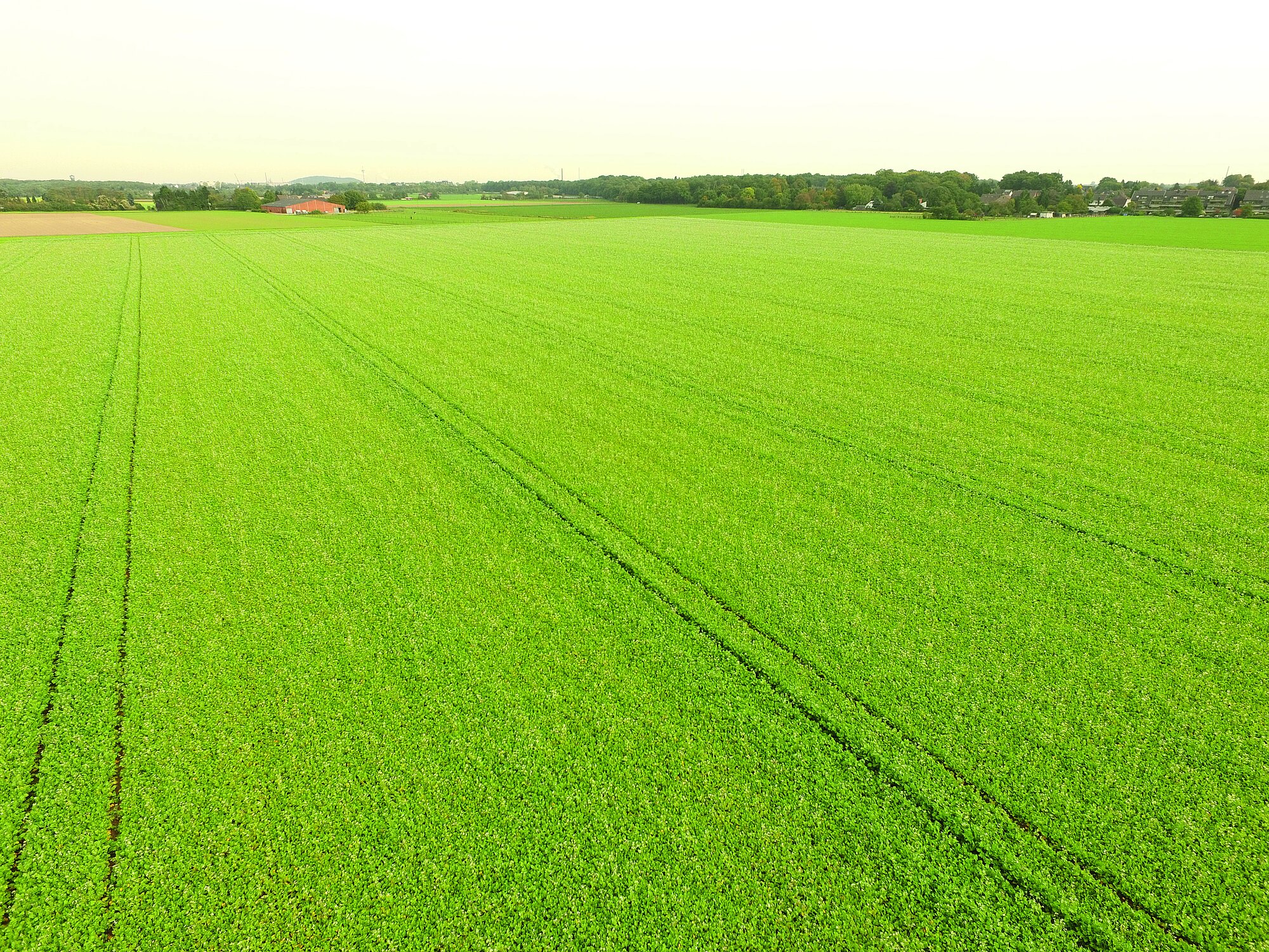
In practice, fodder radish is primarily used as a catch crop, green manure, soil-loosening crop and nematode trap. Its strong taproot penetrates even compacted soil layers and helps to improve soil structure in the long term. Combined with rapid growth of green biomass, oil radish provides excellent weed suppression. Depending on the variety, sowing date and location, yields of between 20 and 40 tonnes of fresh biomass per hectare can be achieved. The dry matter yield is often between 3 and 6 tonnes per hectare. High biomass yields can be achieved, particularly with early sowing in July or August. With later sowings in September, the yield decreases, but soil cover generally remains adequate. Another use is sowing in mixtures, for example with phacelia, Alexandrian clover or mustard. In this context, fodder radish contributes to the diversification of the plant population and to a more extensive root penetration of the soil. Its use as a fodder crop is less common, although some varieties would in principle be suitable for this purpose. However, due to the high content of mustard oil glycosides and the risk of late lignification, this use plays hardly any role in modern agriculture.
Nematode resistance
One of the most important characteristics of modern fodder radish varieties is their resistance to plant-damaging nematodes, particularly those of the genera Heterodera (cyst nematodes) and Meloidogyne (root-knot nematodes). These pests are particularly common in intensive cropping systems – such as potato, sugar beet or vegetable cultivation – and can cause significant yield losses. Fodder radish acts as a nematode trap in this context: the nematodes are stimulated to infect the plant by root exudates, but are unable to reproduce in resistant varieties. After several weeks, the invading larvae die or their development is stunted, thereby significantly reducing the population density. Through targeted breeding, varieties have been developed that possess either highly specific or broadly effective resistance traits. This resistance is based, amongst other things, on physiological barriers within the root that prevent the nematodes from forming functional nutrient cell clusters. When selecting a variety, it is important to consider the type of nematode present in the soil, as not every variety is equally effective against all forms. Thanks to a combination of resistance, rapid root growth and high root exudate activity, fodder radish is one of the most effective biological agents for reducing nematode populations in agricultural soils and is therefore an indispensable component of modern crop rotations for many farmers.