
Close forage feed gaps now

Ways out of the feed shortage: What strategies can be used in arable forage production to reliably compensate for drought-related yield losses, particularly in silage maize? We show you ways to overcome shortages in forage supplies.
Effects of Heat and Drought on Main-Crop Forage Production
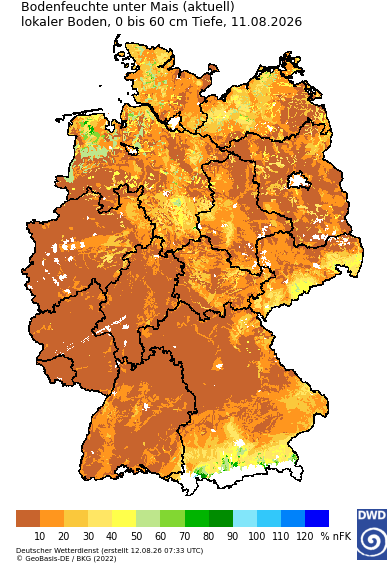
Livestock farmers, in particular, are currently looking at their forage stocks with concern. The high temperatures of the past two months, combined with an exceptionally severe summer drought across Western and Central Europe, are forcing maize crops into decline in many areas. The following figure shows the current prevailing soil moisture levels under maize.
Drought damage to maize, as well as to grassland swards and hay fields, is particularly severe where farmers are unwilling or unable to irrigate their forage areas. The intense heat in June hit many maize crops during the particularly sensitive and yield-critical flowering stage. In many regions of western Germany and the Benelux countries, harvesting crews have begun chopping maize in recent days to prevent the prematurely ripened crops from drying out even further. In many cases, dry matter contents of 40% or more can already be expected by mid-August. The result will be silage clamps that are difficult to compact and therefore prone to heating and mould growth. Can forage catch crops help in this situation?
Figure 01: Current soil moisture under maize at a depth of 0–60 cm, as of 11 August 2026 – With a few exceptions in the Bavarian Alpine foothills and East Frisia, maize fields in Germany currently have only around 10% of the available water capacity (AWC). Conversely, this means that the soil beneath maize is currently lacking 90% of the water it could theoretically provide to the crop based on its characteristics. Rain is therefore urgently needed everywhere.
Scenario I
Planned main crop for the 2027 harvest: Winter crop
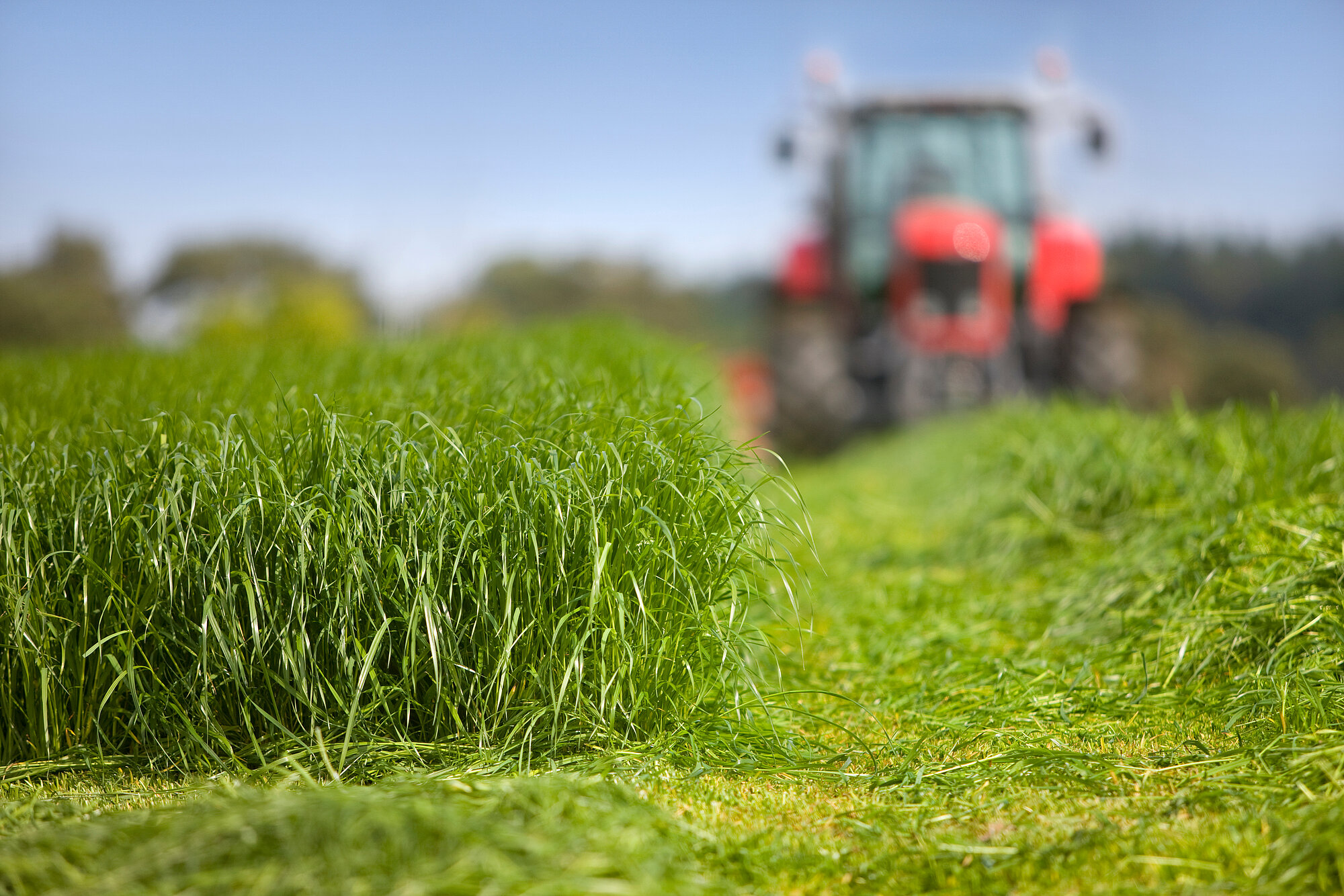
→ Late summer 2026: Sow a summer catch crop for forage use in early autumn 2026.
Suitable mixtures for closing forage gaps:
- 6-week grass: Sow once, harvest once 40 days later
- ProGreen® FU 4: Sow once, harvest once 40 days later
- A mixture of two high-performance annual ryegrass varieties
- ProGreen® FU 9: When a single sowing is expected to deliver not only high energy yields but also plenty of protein
- A mixture of 70% annual ryegrass and 30% berseem clover
Scenario II
Planned main crop for the 2027 harvest: Spring crop
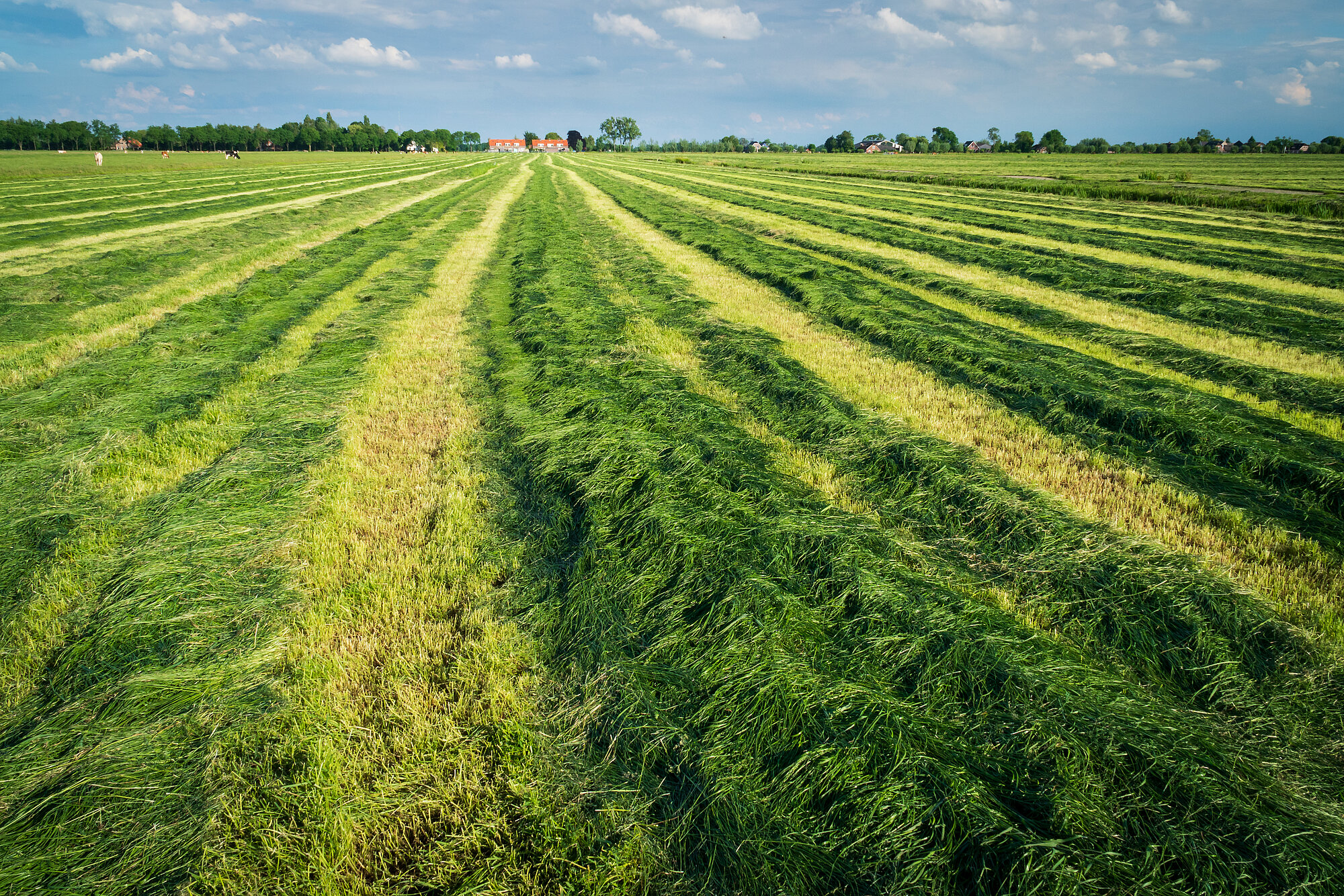
→ Late summer 2026: Sow a winter catch crop for forage use, primarily in spring 2027. Under very favorable conditions—a mild, wet autumn—a first cut may possibly also be taken in 2026.
Suitable mixtures for closing forage gaps:
MehrGras FE 110 - A1 WZ: Sow once, then take a high-yielding forage cut in spring 2027 before establishing the subsequent spring crop.
MehrGras FE 100 - A1 / ProGreen® FU 1: Sow once, then take four to six high-yielding forage cuts in 2027, with the option of sowing a winter crop in autumn 2027.
TERRA GOLD® 17: Sow once, then take one or even several high-yielding, protein-rich silage cuts in spring 2027.
ProGreen® FU 7: Sow once, then harvest high-yielding, energy-rich grass in spring 2027, enhanced by symbiotically fixed nitrogen from the native legumes crimson clover and winter vetch.
MehrGras FE 320: Sow once and use the field for one to two years to provide forage and build up soil organic matter.
Implementing the Two Scenarios
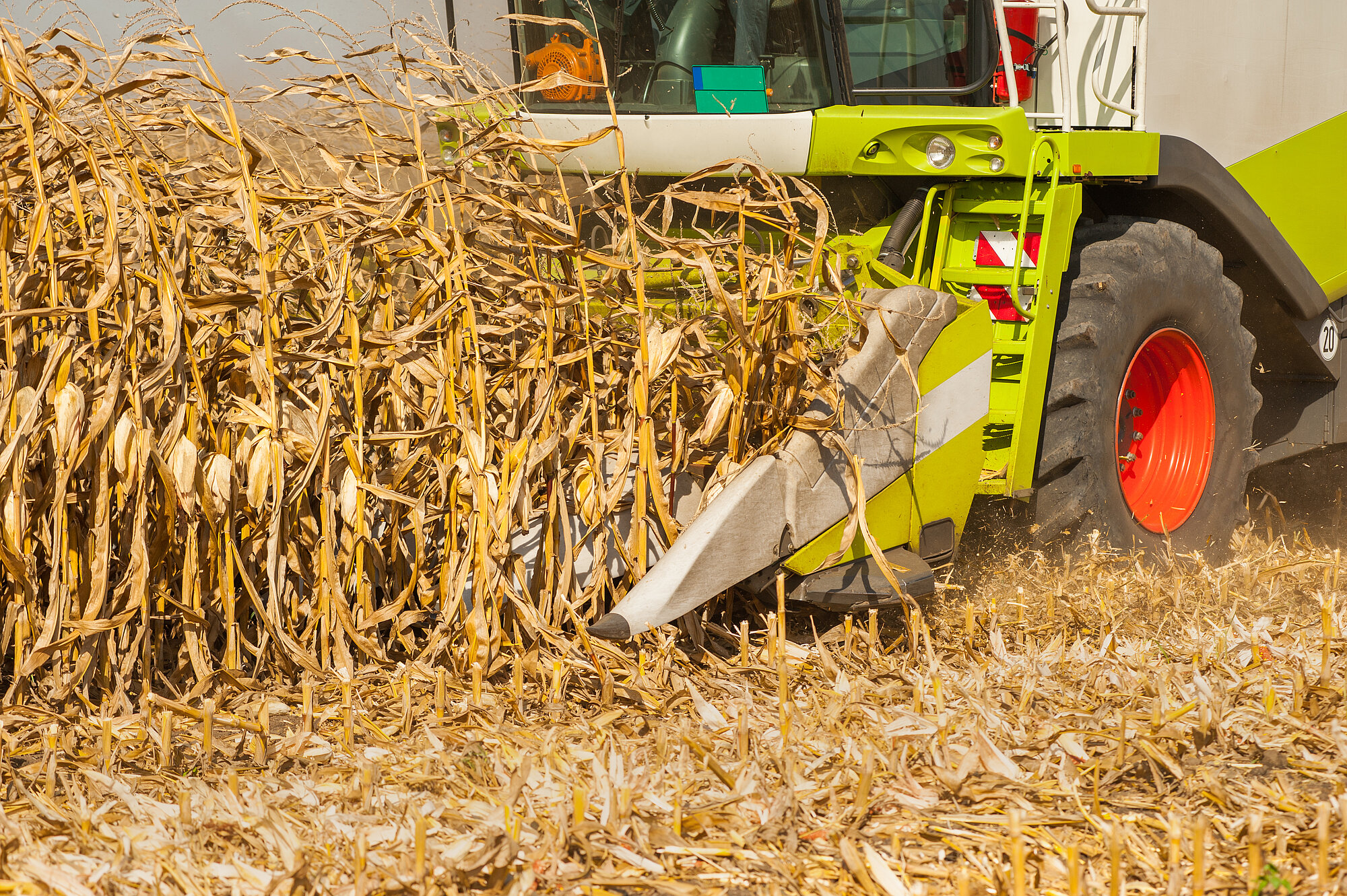
On farms where the maize is now suffering from drought stress, it should be chopped before dry matter levels rise even further. This creates space for a subsequent crop. Harvested cereal and oilseed rape fields can also currently provide suitable areas for forage catch crops in many cases.
Under severe drought conditions, however, carrying out soil cultivation—especially when it is fuel-intensive—or even sowing a crop is often not advisable from an agronomic perspective. There is reason for hope, though: the days are now getting progressively shorter. This means less sunshine on clear days, while clear nights can bring cooler temperatures, favoring dew formation as the nights lengthen.
In some regions of Germany, small amounts of rainfall are currently also forecast, particularly in the north and south. If the current heat wave moves away this coming weekend and the days continue to shorten, the first suitable windows for soil cultivation and sowing may emerge.
All of the products mentioned can still be safely sown later in the season, up to around the turn of August and September. There is still some time—and hopefully also reason to expect a change in the weather pattern bringing more widespread rainfall.